7 min read
Is Your PDF Ready for Translation? Check These Things First
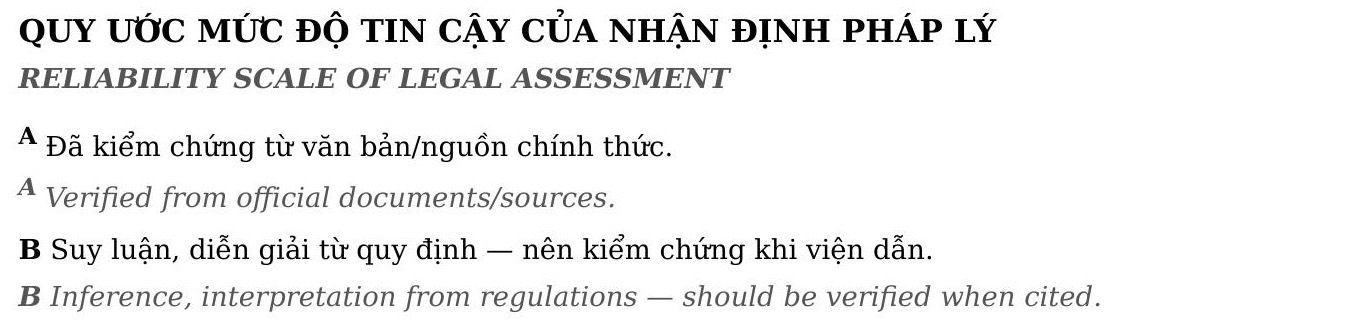
Five minutes with the original PDF can tell you whether it is ready for a bilingual reading copy or needs OCR and cleanup first.
Read the guideReading notes
Practical guides for choosing a format, preparing an EPUB or PDF, and keeping long translated documents genuinely comfortable to read.
More to explore
Each guide starts with a real reading decision, rather than a promise about a file format.
Five minutes with the original PDF can tell you whether it is ready for a bilingual reading copy or needs OCR and cleanup first.
Read the guide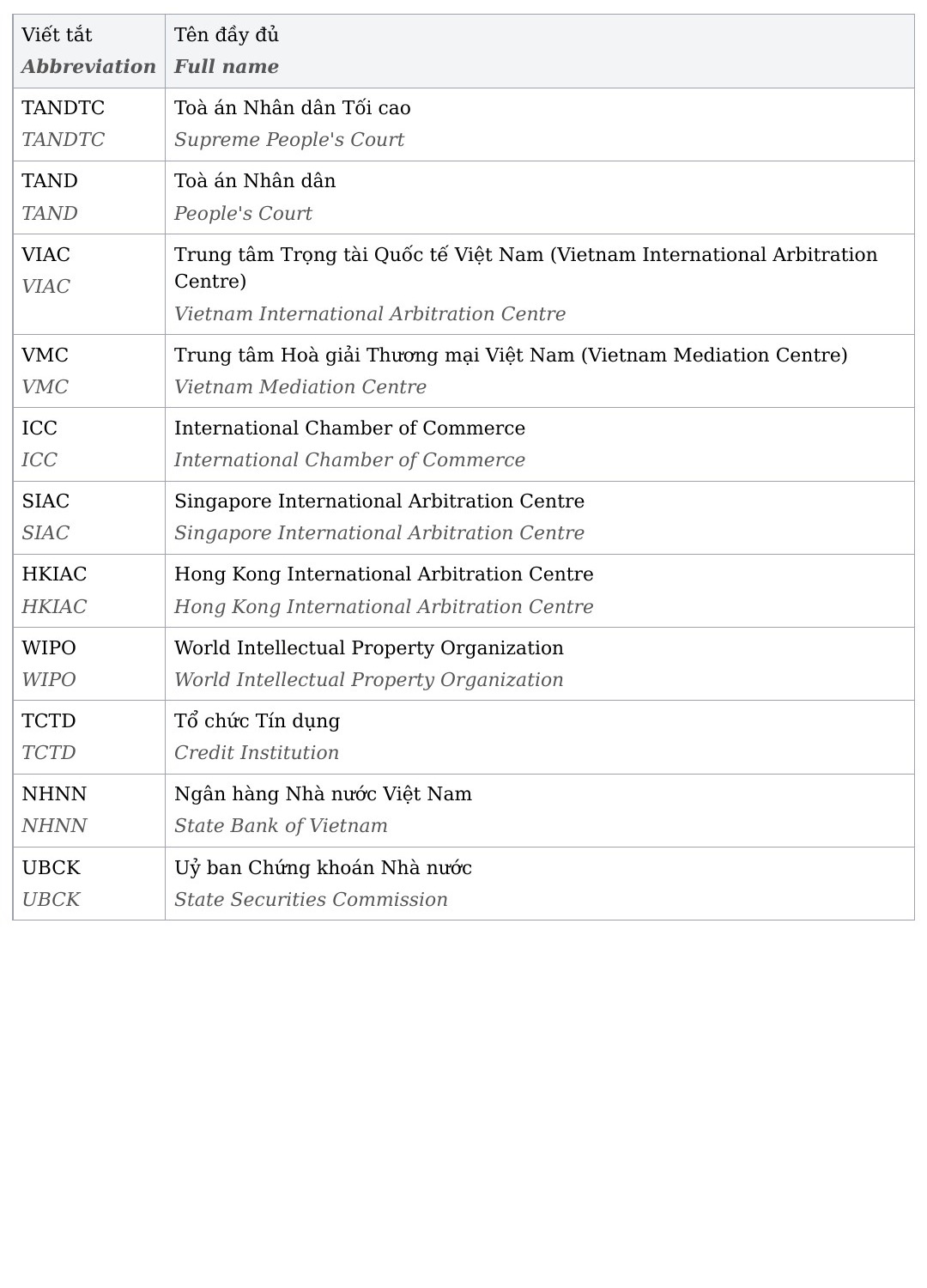
Tables carry meaning through proximity. If labels, values, and notes separate, the document may be translated but no longer useful.
Read the guideIf you cannot select a sentence in a PDF, translation is not the first problem. The first problem is turning the page image into dependable text.
Read the guideAcademic papers are hard to translate because readers keep returning to a claim, definition, table, or reference—not simply because the prose is long.
Read the guide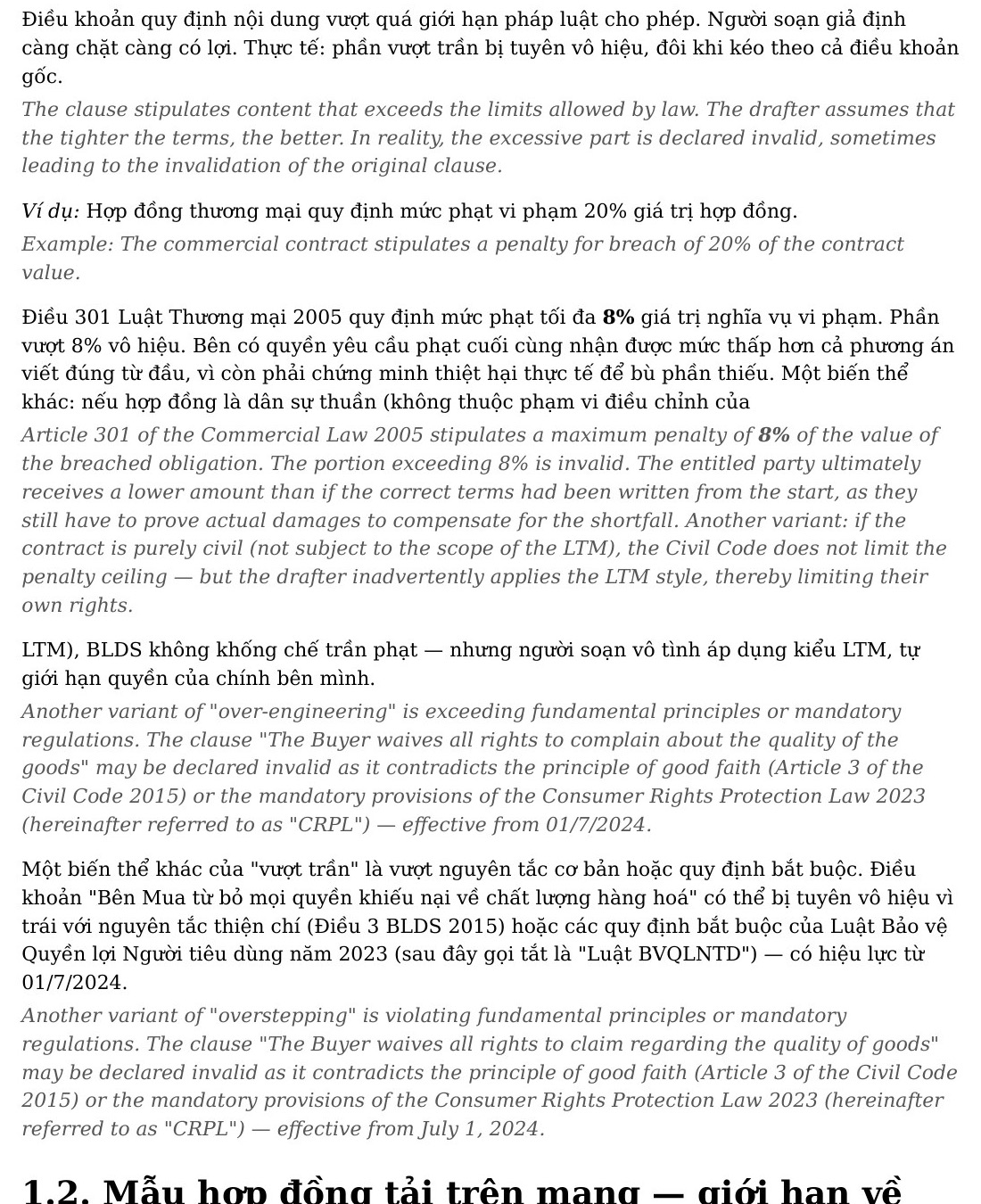
Long bilingual documents fail when the reader has to keep sorting the page. A few deliberate formatting choices make comparison much less tiring.
Read the guideThe useful question is not which format wins in general. It is whether you need to revisit a document or settle into a book.
Read the guide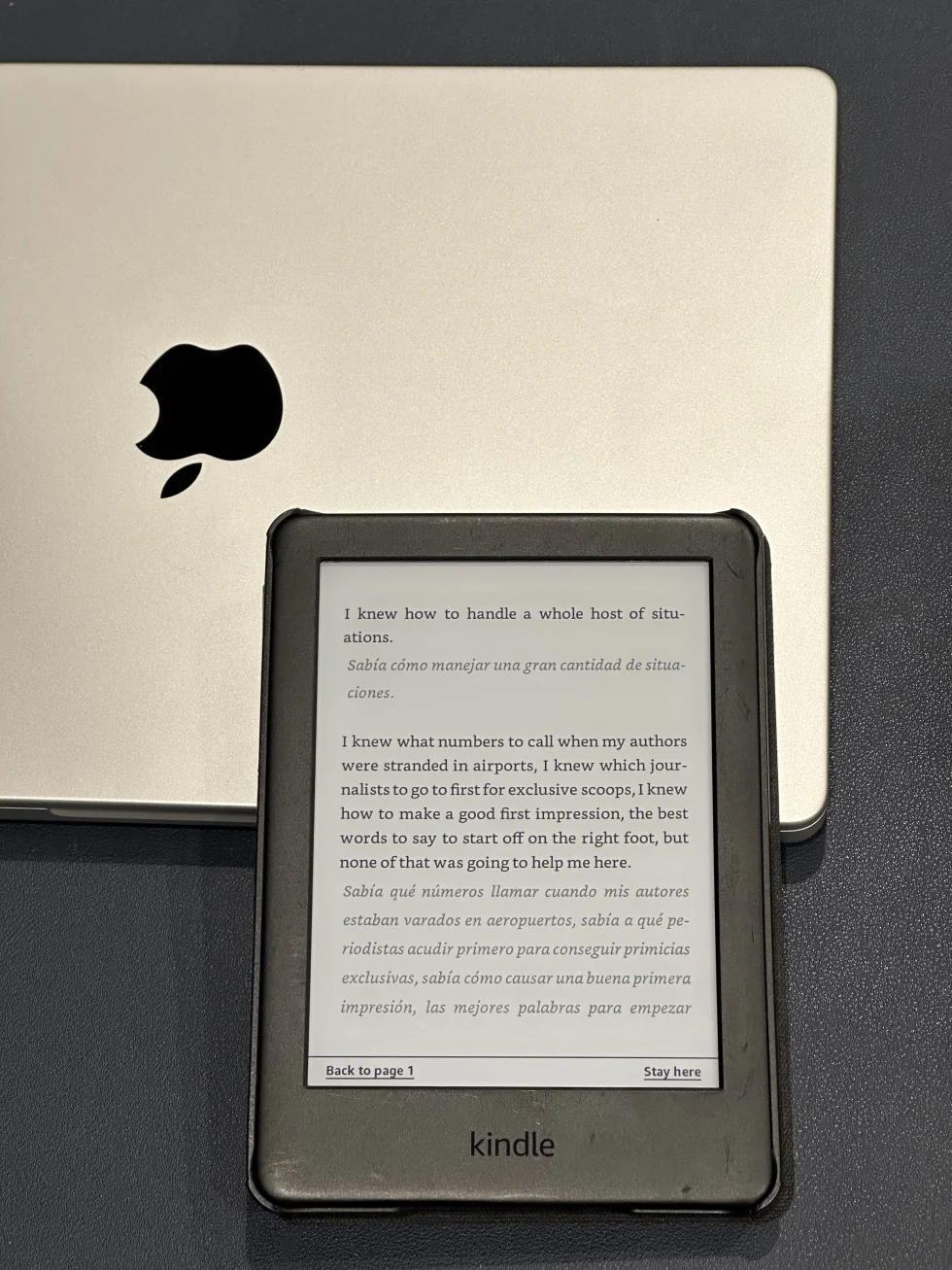
The goal is not to understand every sentence instantly. It is to keep enough momentum that the book still feels like a book.
Read the guide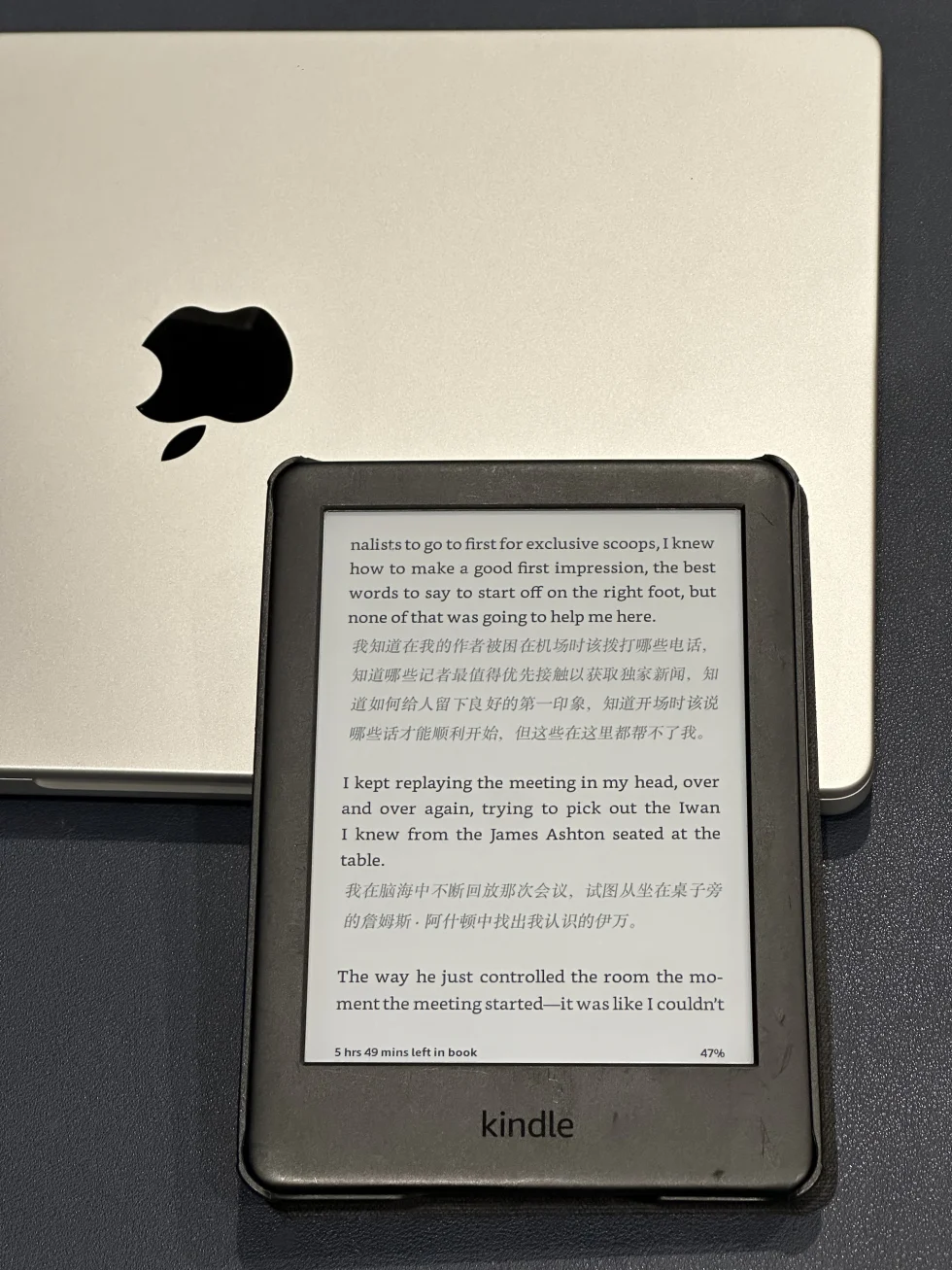
The value of a bilingual book is not faster translation. It is staying with real English long enough for patterns to become familiar.
Read the guideThe best bilingual layout lets your eyes compare a passage without making every line feel like a puzzle.
Read the guideA bilingual EPUB should still feel like a book. If translation keeps pulling you out of the chapter, the file may be complete but the reading experience is not.
Read the guide