Practical bilingual reading
Can Bilingual Books Help You Learn English? Yes—If You Use Them This Way
Bilingual books can support English reading when the original stays primary, translation is close, and you avoid translating every word.
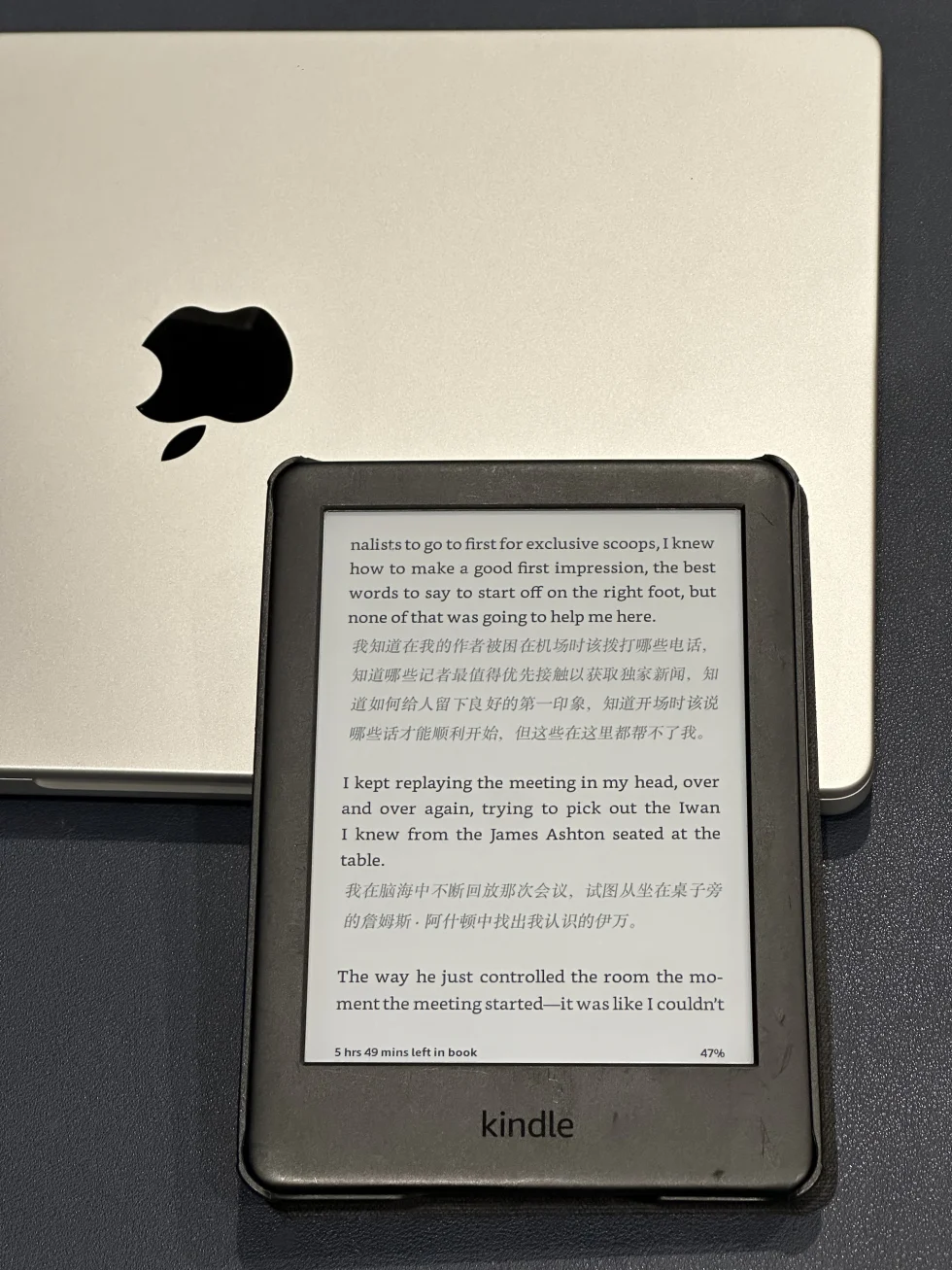
They help when they keep you in the original language
A bilingual book is not magic. If you read only the translation, you will understand the story but get little practice handling English. Its real advantage is lowering the cost of staying with the original when a passage becomes difficult.
Instead of closing the book to search a phrase, you can check a nearby translation and continue. Repeated patterns—how a narrator describes movement, how dialogue is softened, how a phrase changes in context—become less foreign because you meet them in meaningful situations.
Guess first, then check
Try a quick guess before looking down. What is happening? Is the speaker pleased, doubtful, or angry? Which word is doing the important work? Then compare with translation. Even a partly correct guess gives your brain something to adjust.
This is more useful than treating the two languages as a word-for-word dictionary. Languages rarely divide a thought in exactly the same places. A nearby full-sentence translation helps you understand the whole idea while English wording is still in view.
Why format changes the habit
The Kindle example shows why a reflowable bilingual EPUB can work well for study. You can make type large enough to read comfortably and keep translation in the same flow. That is less disruptive than switching apps every few lines.
For reports and study texts with tables, a bilingual PDF can be better because it keeps structure visible. The learning method is the same; the format should follow what you are reading.
A small plan that does not burn you out
Read a manageable amount several times a week. Pick three useful phrases from a session, not thirty. Re-read a favourite page a few days later with less help. When ready, hide the translation for a paragraph and see how much now feels familiar.
BilingualText can make a personal EPUB or text-based PDF reading copy from material you have the right to process. The product is the container; the learning comes from returning to English often enough that you need translation less.
Signs the method is working
Progress is not only the number of words you can translate without help. Notice whether you return to the book more willingly, whether familiar sentence shapes begin to pass without a pause, and whether you can explain a scene before checking the translation. Those are meaningful gains in reading confidence.
Keep a short record of phrases that appear in several chapters, not a list of every unknown word. Repetition in a story gives a phrase a memory hook: a character, place, or mood. That kind of note is easier to revisit than an isolated vocabulary list.
Bilingual reading is also useful for learning what not to translate literally. When the source and translation express the same idea with different structures, take a moment to notice the difference. You are learning how English makes meaning, not merely collecting equivalents.
If the translation starts feeling unnecessary for whole pages, that is a cue to hide it occasionally or move to a slightly more difficult book. The support should gradually become optional, not remain a crutch you cannot put down.